My name is Ashley Vazquez and I'm a junior at USC studying Print and Digital Journalism and minoring in International Relations. Ever since I was young, I have been driven by a desire to make a difference, to create change. I found that journalism allowed me to tell stories in a way that impacted people, prompted discussions and eventually drove change.
I've always loved writing, but it wasn't until I wrote for my high school newspaper that I truly understood the power of journalism. A white faculty member in my predominantly white high school in Connecticut had formed a secret club where non-white students were forced to discuss all the instances in which they had been oppressed by white people.
I was a freshman and perhaps a little naive, but through my eyes, all of my friends were white and I hadn't yet experienced discrimination. I felt like maybe this wasn't the best approach to the school's lack of diversity, or if it was, it wasn't the best approach for me.
I didn't like that I was forced to miss class to attend this discussion, or how the group only focused on negative interactions, often fostering an "us vs. them" climate. I especially didn't like that no one else in the school seemed to know this group existed, not the teachers, or even the principal. There was no one to check if the group was doing more harm than good because no one knew about it.
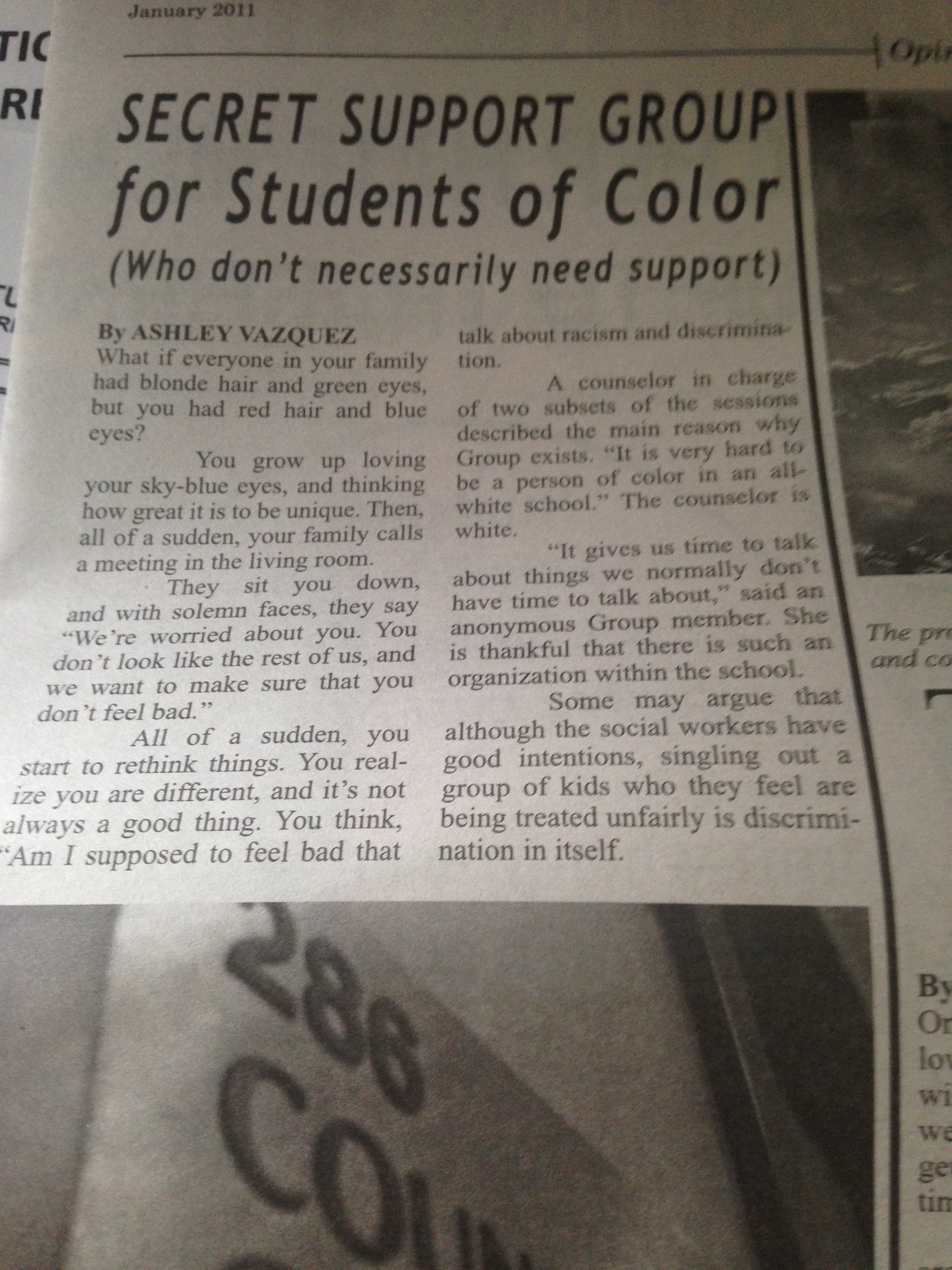
That's why I decided to tell everyone, by writing about it in the opinions section of my school newspaper. I didn't even know anyone read the newspaper until then, but my article caused quite a scandal. Some people were angry, others praised my bravery for speaking out about a subject that was considered taboo.
My article pointed out the need for effective ways to address the school's lack of diversity. As a result, the issue began to be discussed regularly and new initiatives were implemented. The group continues to exist, but a lot of necessary changes were made.
That was the first moment when I realized my voice mattered, my opinion mattered, and I could tell a story in a way that would make people care. Since then, I've felt an immediate pull towards issues of social justice, inequality, and discrimination.
I've had a few internships at "impressive" companies, but nothing is more meaningful to me than the work I've done telling the stories of vulnerable people.
Last semester, I began working with an activist group to document the stories of the poor, Latino communities stuck living in contaminated homes as a result of the Exide lead contamination. I filmed interviews in the homes of ordinary people, as they waited with their hands tied for the government to clean their soil, knowing that the lead is just making them sicker by the minute.
I've also had internships writing for The Connecticut Post, The Hollywood Reporter, and most recently The Discovery Channel and TLC.
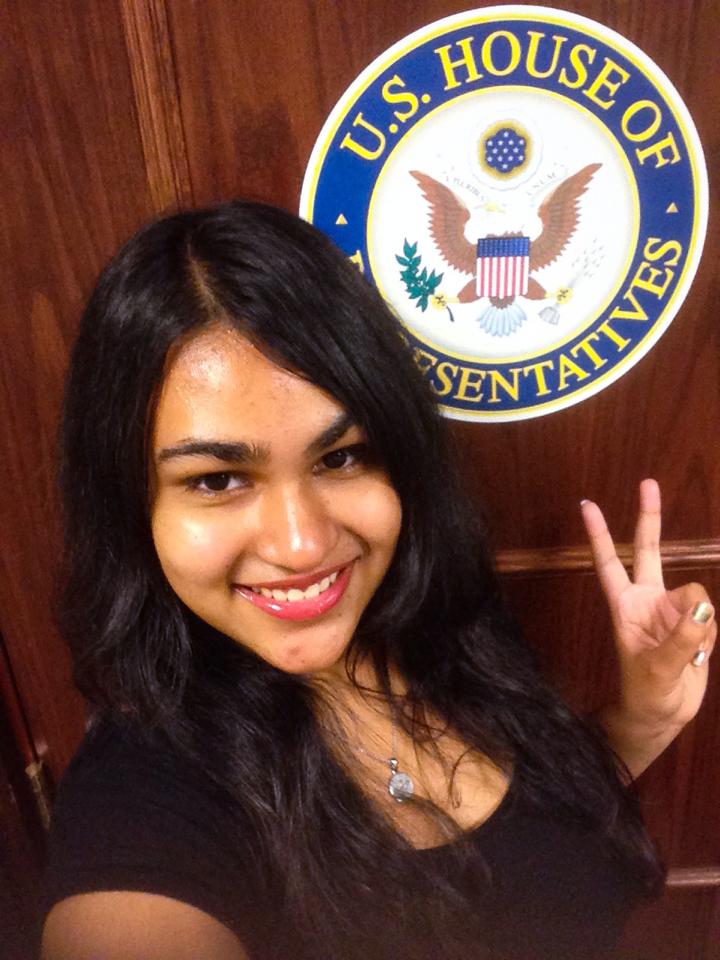
Additionally, I had the opportunity to work for The United States House of Representatives, interning at the district office of Congressman Jim Himes. That was an amazing experience because I was often the first line of communication between the people and the congressman. Constituents in desperate situations called me, and I was able to follow their case and witness how the congressman's staff managed to transform people's lives just by making a few phone calls.
I care deeply about issues of social justice and inequality when it comes to everything from income to education to healthcare. I know that I can't solve all the world's problems, but by reporting on them in a way that makes people care, I know I can make a difference. That's why I'm a journalist.